HYDROUSA
The HYDROUSA project is a pioneering initiative focused on developing regenerative business models for water loops. Operating as an EU Horizon 2020 flagship project, this consortium aims to implement innovative nature-based solutions to manage resources. It establishes circular economy frameworks to address water scarcity and promote highly sustainable agricultural practices.
Hexagro
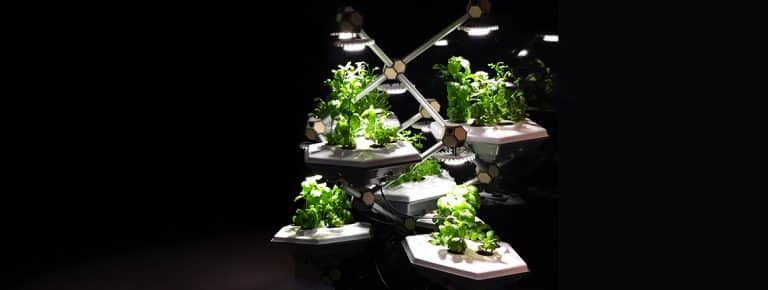
Designed by Felipe Hernandez Villa-Roel, Hexagro is a highly innovative, modular aeroponic urban farming system. This scalable technology enables communities to grow fresh, healthy produce indoors regardless of available space. By utilizing aeroponics, it significantly reduces water consumption while maximizing crop yields, offering a practical solution to the growing demand for sustainable urban agriculture.
Living Filtration System
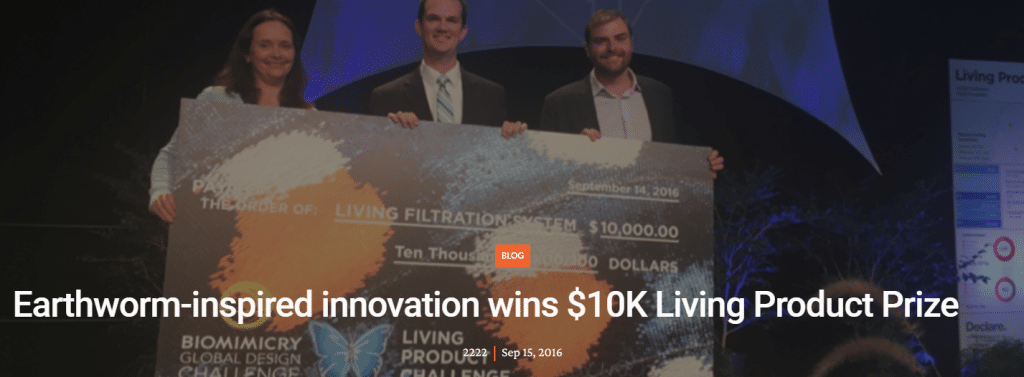
Developed by a team at the University of Oregon, the Living Filtration System is a cutting-edge biomimetic agricultural drainage solution. Recognized by Trimtab Living Future, this system effectively filters agricultural runoff by mimicking natural wetland processes. It sustainably removes harmful pollutants before they reach local waterways, significantly improving water quality and protecting vulnerable aquatic ecosystems.
Oasis Aquaponic System
The Oasis Aquaponic System, created by Team Oasis and recognized by UNH Scholars, is a compact, biomimetic food production unit. Designed to maximize spatial efficiency, this system seamlessly integrates aquaculture and hydroponics into a closed-loop ecosystem. By mimicking natural symbiotic relationships, it provides a highly sustainable method for raising fish and cultivating plants simultaneously.
Ansa
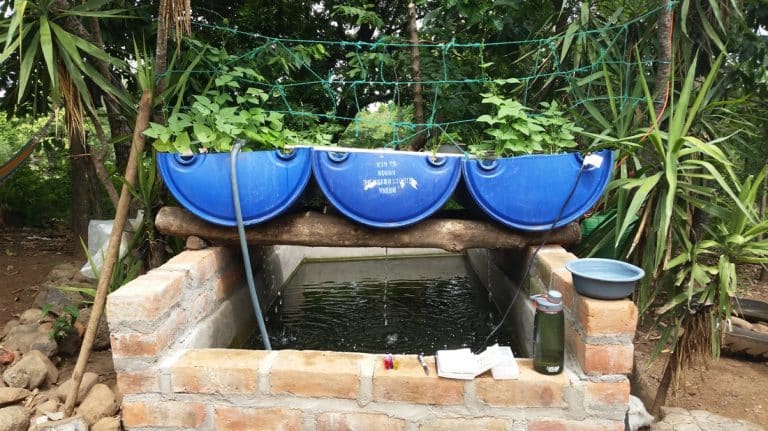
The ANSA Hydroponic Growing System, developed by Cameron Ravanbach and Luca De Vivo Nicoloso, is an innovative urban hydroponic solution. Showcased on AskNature, this system draws direct inspiration from nature’s efficient water management strategies to optimize indoor plant growth. It offers a space-saving design that enables urban dwellers to cultivate fresh produce with minimal water usage.
BryoSoil
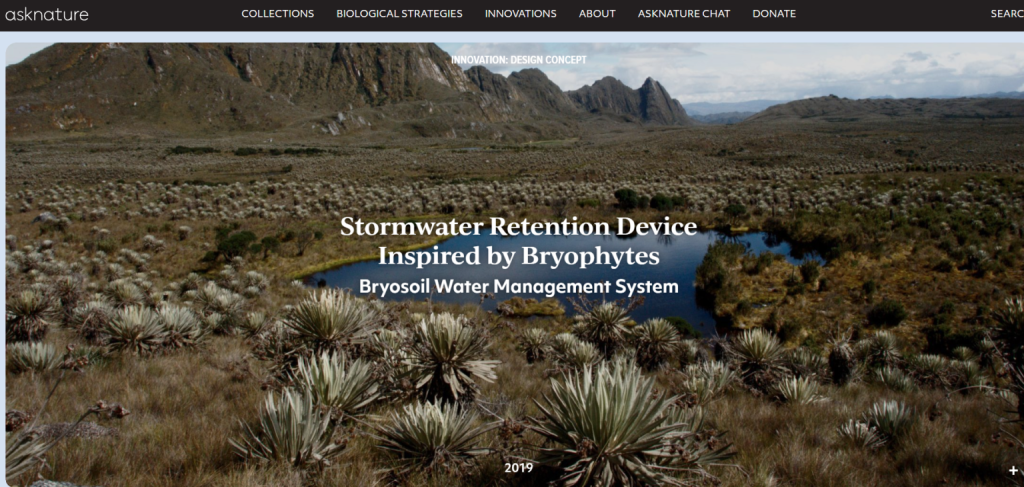
Developed by a dedicated student team, BryoSoil is an innovative biomimetic stormwater management system recognized by AskNature. Drawing inspiration from the incredible water-retaining capabilities of bryophytes, this design effectively captures and stores excess rainwater. By mimicking these natural biological processes, BryoSoil provides a sustainable infrastructure solution to mitigate urban flooding and improve city-wide water resilience.
Project: BioLumCity
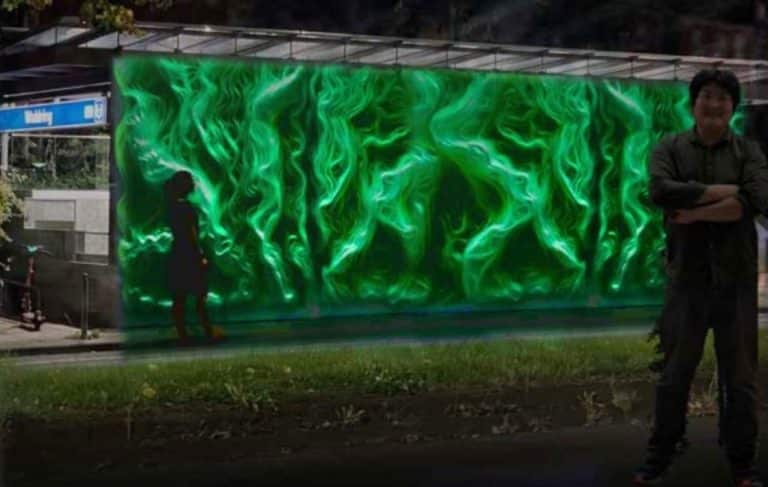
Project: BioLumCity, featuring concepts by Jae-Seong Yang, proposes the use of bacteria-based bioluminescent panels for urban lighting. This experimental design explores harnessing natural bioluminescence as a highly sustainable alternative to traditional electrical streetlights. By integrating living organisms into the city’s infrastructure, this visionary project aims to drastically reduce urban energy consumption.
Xixi Wetland Museum
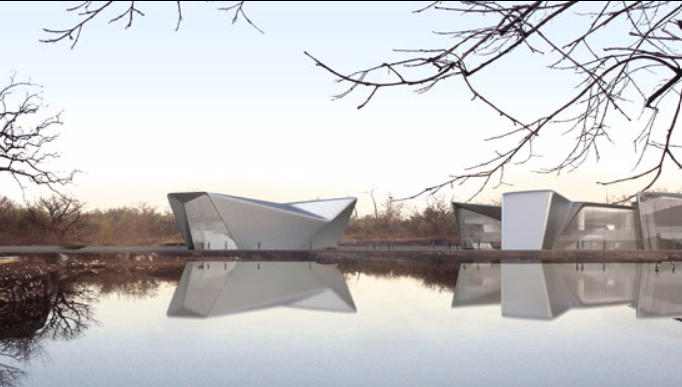
Designed by Studio Pei-Zhu, the Xixi Wetland Museum in China is a stunning architectural showcase of biomimetic adaptation. The building is renowned for its distinctive reed-inspired facade, which allows it to blend seamlessly into its natural marshland surroundings. This thoughtful integration of organic forms promotes harmony between human-built environments and sensitive ecological landscapes.
Cheonggyecheon Stream Restoration
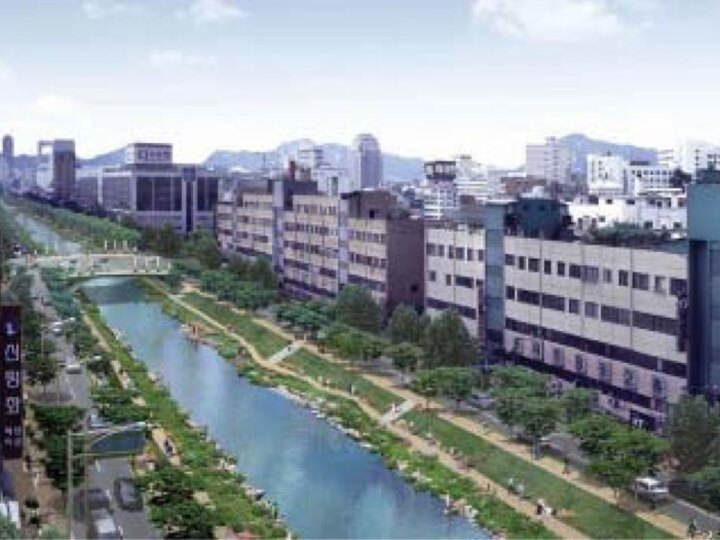
Led by the Seoul Metropolitan Government, the Cheonggyecheon Stream Restoration transformed a polluted, concrete-covered waterway into a thriving linear park. This massive urban renewal project successfully reintroduced natural ecosystems right into the heart of Seoul. It serves as a global benchmark for landscape performance, reducing urban heat, increasing biodiversity, and providing a vital green space.
Nile Valley Aquaponics Facility
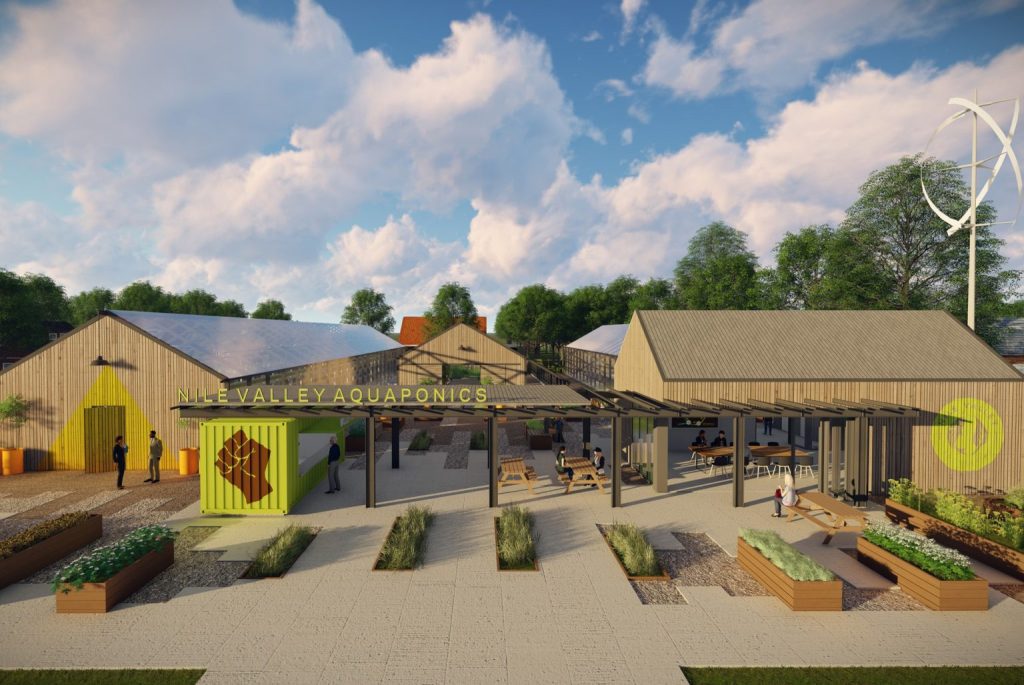
The Nile Valley Aquaponics Facility represents a major step forward in large-scale, sustainable food production. By integrating fish farming with soil-less plant cultivation, this facility utilizes a closed-loop system that drastically conserves water and eliminates the need for chemical fertilizers. It demonstrates how innovative aquaponic technologies can reliably produce high-quality, local food responsibly.